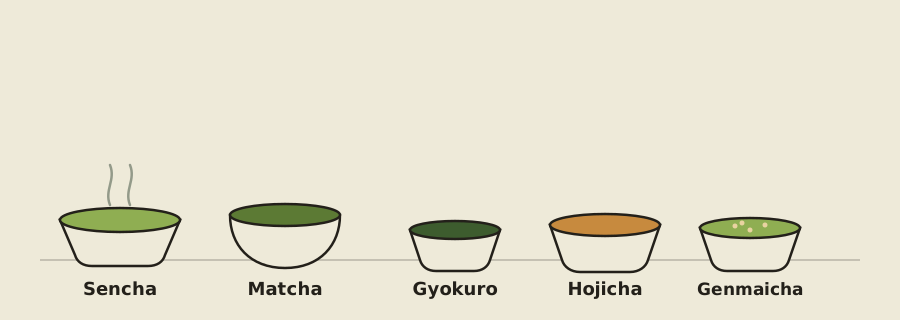
"Japanese tea" isn't one thing — it's a family of teas that all start from the same plant and end up completely different depending on two decisions: how much sun the leaves got, and what happens to them after picking. Once you understand those two variables, every type on this page stops being a random word and starts making sense.
This is the overview page for everything else on Kissako. If you only read one article before diving into specific teas, make it this one.
The Two Things That Actually Define a Japanese Tea
Every Japanese tea on this list is technically green tea — none of it is oxidized the way black tea is. What changes between types is:
- Sun or shade: teas grown in full sun (sencha, hojicha, bancha) taste grassier and more astringent. Teas shaded for weeks before harvest (matcha, gyokuro) develop more sweetness and umami, because the plant produces more chlorophyll and amino acids to compensate for the lost light.
- What happens after picking: most teas are steamed and dried as whole leaves. Matcha is steamed, dried, then stone-ground into powder. Hojicha is roasted after steaming, which is what gives it a completely different, toasty flavor.
Once you know those two facts about a tea, you can guess most of what it'll taste like before you ever open the bag.
Japanese Tea, at a Glance
| Tea | Sun or shade | Processing | Caffeine | Flavor |
|---|---|---|---|---|
| Sencha | Full sun | Steamed, rolled | Medium | Grassy, lightly sweet, some astringency |
| Matcha | Shaded | Steamed, dried, ground to powder | High (whole leaf consumed) | Rich, umami-heavy, slightly bitter |
| Gyokuro | Shaded | Steamed, rolled | Medium-high | Sweet, low astringency, deep umami |
| Hojicha | Full sun | Steamed, then roasted | Low | Toasty, nutty, no bitterness |
| Genmaicha | Full sun | Sencha or bancha blended with roasted rice | Low-medium | Nutty, savory, mild |
| Bancha | Full sun | Steamed, rolled (later harvest than sencha) | Low | Light, mild, slightly grassy |
| Kukicha | Full sun | Made from stems and stalks | Low | Mild, sweet, almost creamy |
Sencha — The Everyday Cup
Sencha is what most Japanese households actually drink, day to day — not a special-occasion tea. Grown in full sun and steamed shortly after picking, it's grassy, a little sweet, and forgiving enough for daily brewing. If you're starting your Japanese tea journey with one type, most people start here.
→ Read the full guide: What Is Sencha?
Matcha — The Whisked One
Matcha is the only tea on this list you don't steep and remove — you whisk the whole ground leaf into the water and drink all of it. That's also why it has more caffeine than the others: you're consuming the entire leaf, not just what dissolves out of it during a steep. The shading process before harvest is what gives matcha its rich, umami-forward flavor and its signature bright green color.
Gyokuro — The Rare, Shaded One
Gyokuro goes through the same shading process as matcha but is left as whole leaf rather than ground into powder. The result is one of the sweetest, least bitter Japanese teas — and one of the most expensive, since shading reduces how much the plant produces. If sencha is the everyday cup, gyokuro is the one you save for when you want to slow down.
Hojicha — The Roasted, Low-Caffeine One
Hojicha starts as green tea and is then pan-roasted at high heat, which changes both the color (reddish-brown, not green) and the chemistry — roasting breaks down much of the caffeine and the compounds responsible for bitterness. That's why hojicha tastes toasty rather than grassy, and why it's the tea most people can drink in the evening without affecting sleep.
Genmaicha — The One With Rice In It
Genmaicha is sencha or bancha blended with roasted, popped rice. The rice adds a nutty, almost popcorn-like flavor and dilutes the caffeine content, which historically made it a more affordable everyday tea. It's an easy entry point if straight green tea feels too intense at first.
Bancha & Kukicha — The Everyday, Budget-Friendly Ones
Bancha is harvested later in the season than sencha, using larger, more mature leaves — it's milder and lower in caffeine as a result. Kukicha is made from the stems and stalks left over from processing other teas (often gyokuro or matcha), and despite being a byproduct, it has a mild, slightly creamy flavor that surprises a lot of first-time drinkers.
Which One Should You Start With?
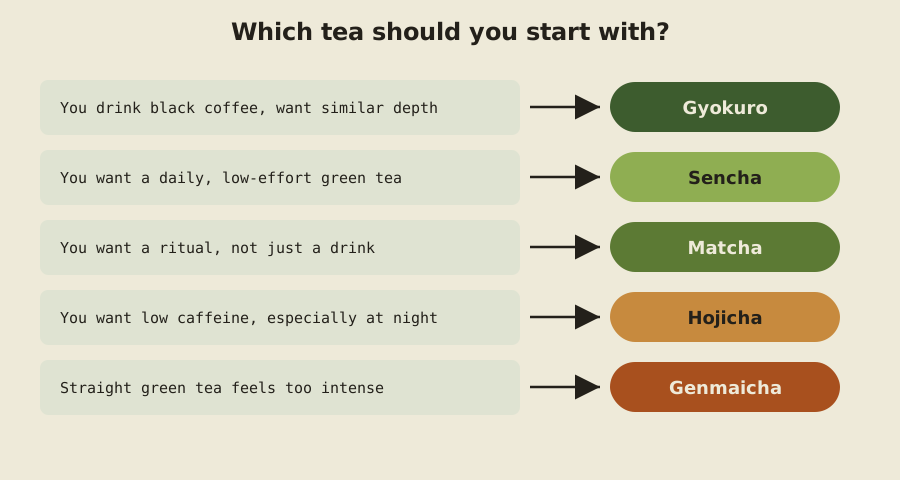
If you're not sure where to start, it usually comes down to what you already drink:
- You currently drink black coffee and want something similar in intensity: start with gyokuro — it has the closest thing to coffee's savory depth without any bitterness.
- You want a daily, low-effort green tea: start with sencha.
- You want a ritual, not just a drink: start with matcha — the whisking process itself is part of the appeal.
- You want caffeine to be as low as possible, especially in the evening: start with hojicha.
- Straight green tea feels too intense for your palate: start with genmaicha — the roasted rice softens it considerably.
In Short
Every Japanese tea comes from the same plant — what separates sencha from matcha from hojicha is sunlight exposure and processing after harvest. Once those two variables click, the whole category stops being confusing. Start with the tea that matches what you already drink, and branch out from there.